Tampa, Florida
Gallery
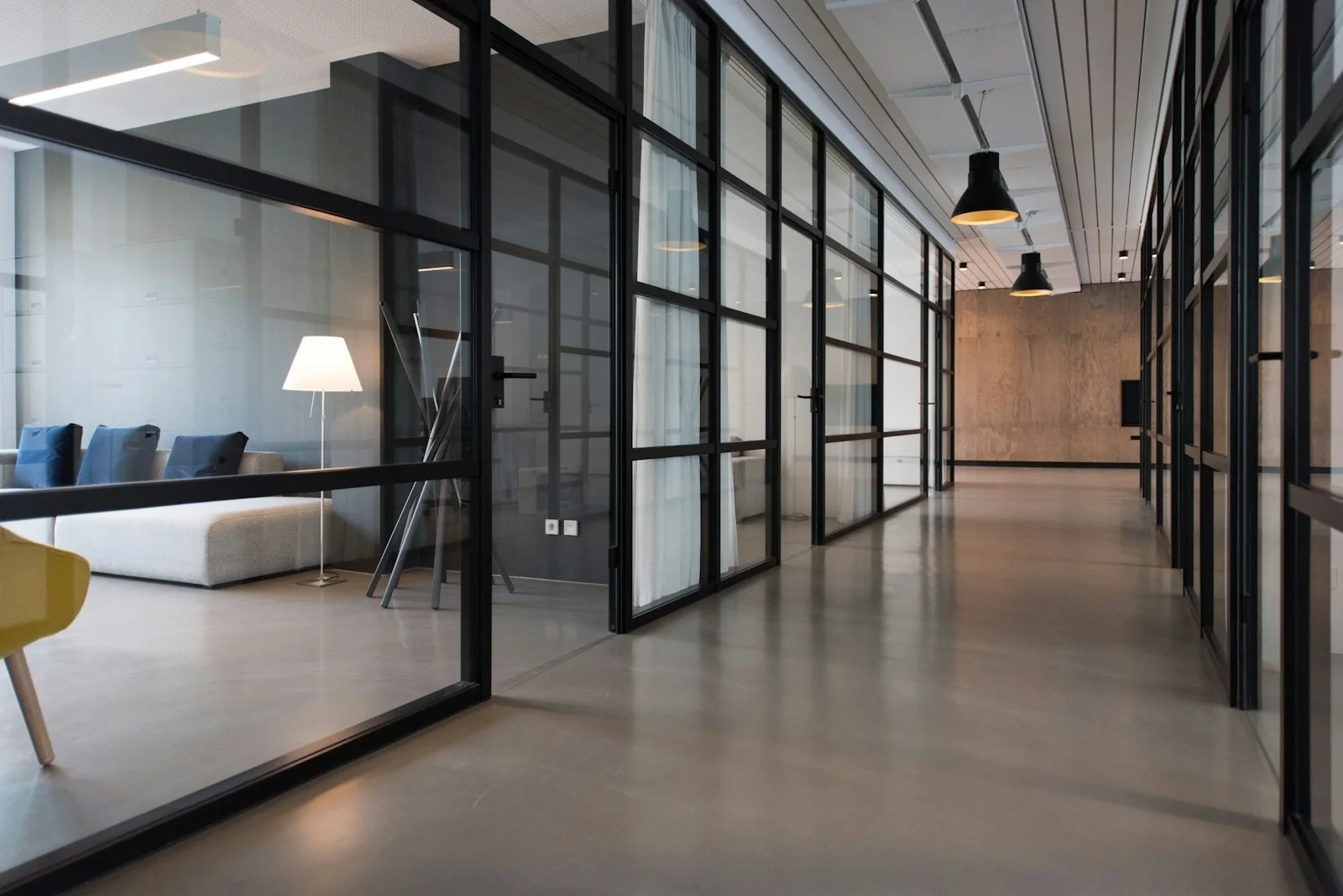
Opening
Gallery is Security Gator's plain-language plan for Tampa homes and storefronts: what covers the door, what watches the lane, and what you ignore at 2 a.m.
On the ground
We map sensor gaps, false-alarm habits, and hurricane-season power loss. A kit only works if everyone in the building can arm it without a lecture.
Tone
Copy voice for this domain stays practical safety brief. This site page explains Gallery inside the Security Gator system.
How to use it
Read monitoring plans before you buy cameras, then DIY if you want a weekend install. Contact for a walkthrough with photos of your entries.
Local rhythm
Around Tampa, Florida, timing and access change with events and seasons. Keep one fallback and one named meeting point when plans involve other people.
Related next step
From here, move to a sibling page that answers the next concrete question—size, kit, route, or contact—rather than browsing in circles.
Departments · Places · Contact
What to Look for in Real-World Security Setups
A gallery of installed systems is most useful when you read each example as a set of decisions rather than a product showcase. When you look at a front porch camera, a storefront door contact or a side-gate light, ask three questions: what is this device actually covering, what happens when it triggers, and who responds? A camera that records a clear face at the doorbell but sees nothing of the driveway solves only half the problem.
Reading a home setup
In typical Tampa Bay single-family homes, the weak points are rarely the front door. Sliding glass doors to the lanai, garage service doors and side yards hidden by hedges tend to get less attention. Good layouts pair a contact sensor on every ground-floor entry with a motion sensor covering the main hallway, so an intruder who avoids one device still crosses another. Lighting matters as much as cameras: a motion-activated fixture over the garage often prevents the event you would otherwise only record.
Reading a storefront setup
For small businesses, look at where the camera sits relative to the register, the rear delivery door and the parking area. Rear doors are common problem spots because they are propped open during deliveries and forgotten. A door-held-open alert and a clear closing routine usually do more than an extra camera.
Planning for storms and outages
Florida's hurricane season changes the picture. Check whether the panel has battery backup, whether cameras depend on Wi-Fi that drops when power fails, and whether a cellular communicator is in place. After a storm, re-test sensors on doors and windows that were shuttered or boarded, since shifted frames can cause false alarms.
Turning examples into your plan
- Sketch your own entries and mark which ones a visitor cannot see from the street.
- Note who in the household or staff will arm the system each night.
- Decide in advance which alerts deserve a call and which can wait until morning.
Once you have that sketch, compare it with the options on our services page, or browse local considerations on the places page before arranging a walkthrough.